Kitchen Maintainance

  • How To Clean White Kitchen Cabinets

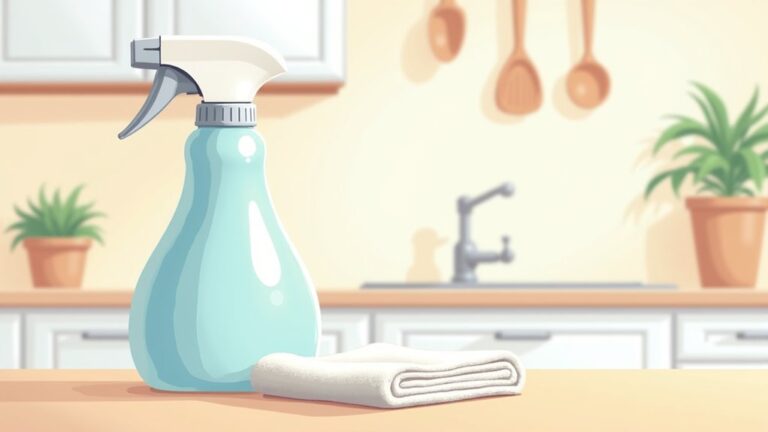
    Cleaning white kitchen cabinets is simple. Mix equal parts of white vinegar and warm water in a spray bottle. Add a few drops of dish soap for tough stains. Shake the bottle gently to mix.

    Use a microfiber cloth to wipe the surfaces. For stubborn spots, use a melamine sponge. Rinse your cloth with warm water and wipe again. Dry the cabinets immediately to avoid water spots.

    Regular cleaning stops grease buildup and yellowing. This keeps your cabinets looking bright and fresh. Follow these tips to maintain their shine for a long time.

  • How To Clean Wooden Kitchen Cupboards

    Cleaning wooden kitchen cupboards is easy and important. First, empty the cupboards. Use a microfiber cloth to dust off any dirt. Then, mix mild dish soap or liquid castile soap with warm water.

    Grab a non-scratch sponge. Scrub the surfaces gently. Rinse with clean water and dry with a cotton cloth. Avoid using harsh chemicals. They can damage the wood.

    Always clean spills right away to prevent stains. For extra shine and protection, apply wood conditioner regularly. This keeps your cupboards looking good and lasting longer.

    Stay tuned for more tips on taking care of your wooden furniture.

  • How To Clean Kitchen Sink Drain Pipe

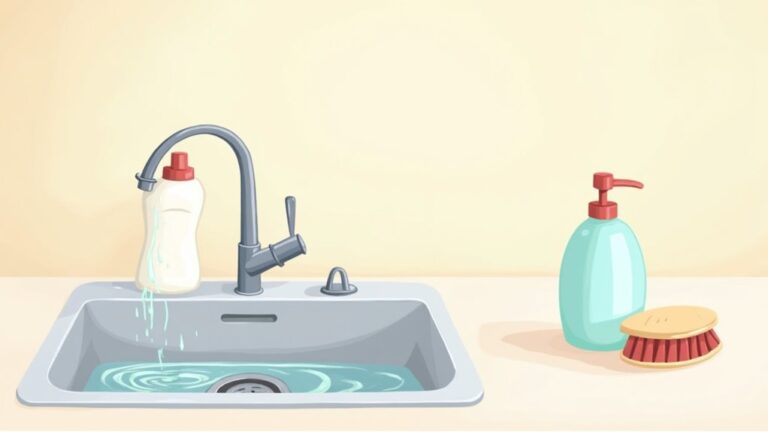
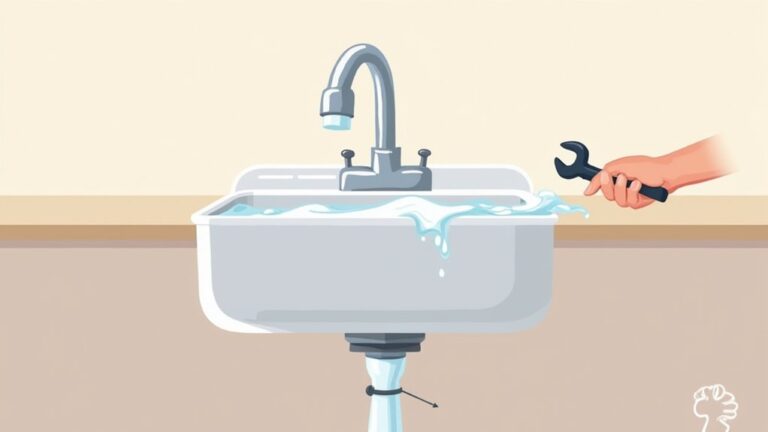
    To clean your kitchen sink drain pipe, start by pouring boiling water down the drain. This helps to dissolve grease. Next, mix one cup of baking soda with one cup of vinegar. Pour the mixture down the drain and let it fizz for about 30 minutes. After that, flush the drain with hot water.

    For stubborn clogs, use a mechanical auger or an enzyme-based cleaner like Bio-Clean. Regular maintenance keeps your drain flowing smoothly. Keep your sink clean and avoid future problems. Simple steps make a big difference in drain care.

  • How To Clean Kitchen Sink Drain

    To clean your kitchen sink drain, start with ½ cup of baking soda. Next, pour in ½ cup of vinegar. This mixture will fizz and help break down any buildup. Wait for 5 to 30 minutes. After that, flush the drain with boiling water. This step clears away debris. For stubborn clogs, use eco-friendly products like Bio-Clean. A drain auger can help with deeper blockages.

    Regular maintenance is key. Run hot water down the drain often. Check your strainers regularly to avoid clogs. Keeping up with these habits keeps your plumbing healthy. For ongoing issues, seek help from a professional.

  • How Can I Unclog A Kitchen Sink

    To unclog your kitchen sink, start by removing any visible debris. Next, run hot water to help dissolve grease. For tough clogs, use a plunger. Make sure it seals well for better results. If the clog remains, grab a drain snake. This tool can reach deeper blockages.

    For regular maintenance, mix baking soda and vinegar once a month. This helps keep your drain clear. Avoid pouring grease down the sink. It can cause future clogs. Follow these tips to keep your kitchen sink flowing smoothly!

  • How To Replace Moen Kitchen Faucet Cartridge

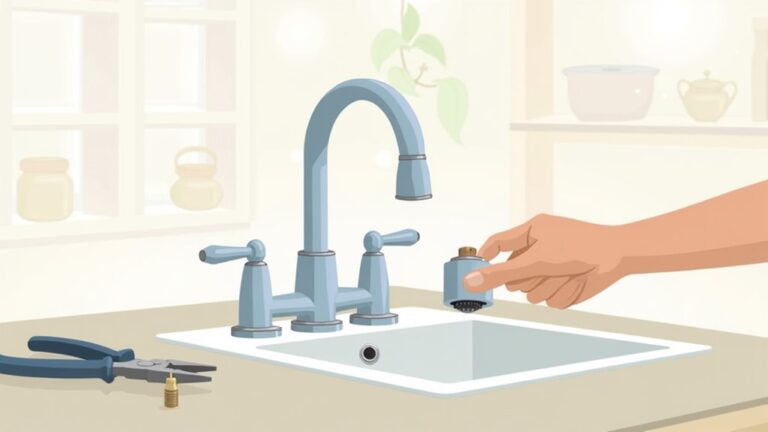
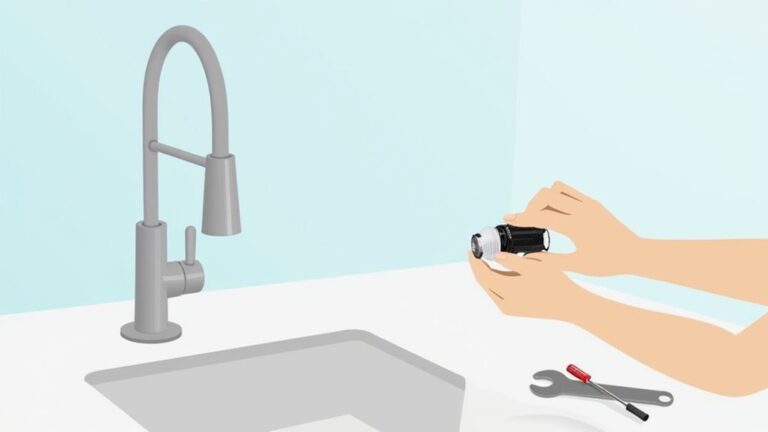
    To replace your Moen kitchen faucet cartridge, start by shutting off the water supply. Gather your tools: adjustable pliers and screwdrivers.

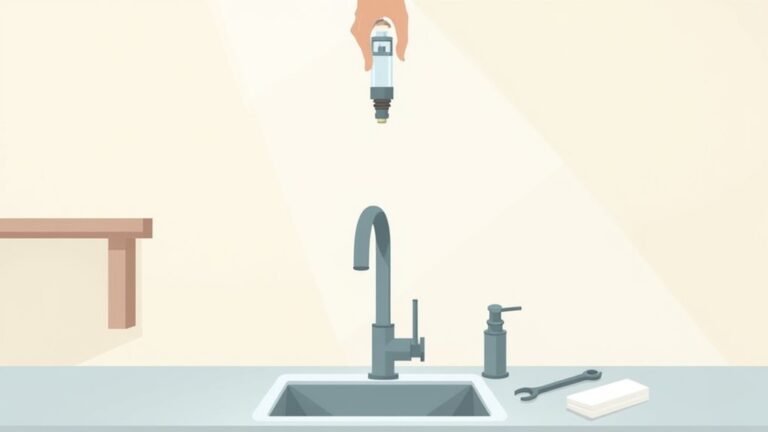
    Remove the handle. Pop off the cap and loosen the screw. Next, take out the old cartridge. Unscrew the retainer nut and clip to do this.

    Install the new cartridge. Make sure it aligns properly. Use plumber’s grease on the seals for a good fit.

    Reassemble the faucet. Gradually turn the water back on and check for leaks. This simple process helps keep your faucet working well.

  • How To Replace Delta Kitchen Faucet Cartridge

    To replace a Delta kitchen faucet cartridge, start by shutting off the water supply. Use an Allen wrench to take off the handle. Then, carefully pry off the trim cap. Unscrew the cartridge nut next. Pull out the old cartridge gently, remembering how it was positioned. Install a new compatible cartridge, such as the RP50587 valve cartridge. Put everything back together. Turn the water supply back on and check for any leaks. This simple process can save you time and money. Common issues may include difficulty removing the cartridge or leaks after installation. Take your time and follow the steps carefully for the best results.

  • How To Replace Cartridge In Kitchen Faucet

    To replace the cartridge in your kitchen faucet, start by turning off the water supply. Open the faucet to let out any leftover water. Next, take off the handle. Look for hidden screws and unscrew them. Now, remove the old cartridge by loosening the retaining nut.

    Take the new cartridge and fit it in place. Use silicone grease on the O-rings to create a watertight seal. Put everything back together securely. Finally, check for leaks. This simple process can help keep your faucet in good working order. Regular maintenance will ensure it runs smoothly for years.

  • How To Get Rid Of Smelly Drains In Kitchen

    To eliminate smelly drains in your kitchen, pour boiling water down the drain once a week. This helps clear grease buildup. Mix baking soda and white vinegar regularly. This combination can neutralize odors effectively. Check your P-trap to ensure it has water. This water blocks sewer gases from coming up. Avoid dumping grease and food scraps in the sink. These items can cause bad smells. For stubborn odors, use enzymatic cleaners. They break down organic matter. Keep your kitchen fresh and clean with these easy steps.

  • How To Get Rid Of Moths In The Kitchen

    Get rid of moths in your kitchen by following these steps. First, check all food items. Throw away any infested foods in sealed bags. Clean your shelves using hot, soapy water or vinegar. Vacuum cracks and corners to remove eggs and larvae.

    Store food in airtight containers. Use glass or metal containers to keep moths out. Place non-toxic pheromone traps in your pantry. These traps help break the mating cycle of moths.

    Regularly inspect your pantry for signs of moths. Keep your kitchen clean and organized. This prevents future infestations. Stay vigilant and take action quickly. Enjoy a moth-free kitchen!

  • How To Get Rid Of Kitchen Sink Odor

    To eliminate kitchen sink odor, first find the source. Common culprits include food scraps, grease, or dampness in the P-trap. Start with boiling water. Pour it down the drain to loosen any buildup. Next, add one cup of baking soda. Follow this with one cup of vinegar. Let the mixture fizz for 10 to 30 minutes. Finally, flush the drain with more boiling water.

    Regular cleaning helps too. Clean your garbage disposal and drains often. This prevents odors from returning. Check for plumbing issues as well. Fixing leaks or blockages can keep your sink fresh. For ongoing freshness, consider using lemon peels or baking soda regularly. Simple steps keep your kitchen smelling great.

  • How To Get Rid Of Grease From Kitchen Cabinets

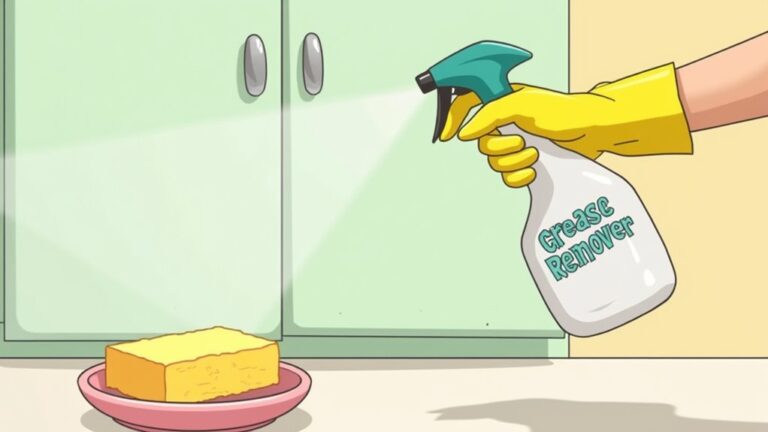
    To remove grease from kitchen cabinets, mix warm water and white vinegar in equal parts. This natural cleaner works well. First, dust the cabinets to remove loose dirt. Then, use a soft sponge dipped in the vinegar solution. Scrub the greasy areas gently. Let the solution sit on tough spots for a few minutes before wiping it off.

    For cabinet hardware, soak it in soapy water. A baking soda paste can also help shine dull surfaces. Regular cleaning and quick attention to spills can stop grease from building up. This keeps cabinets looking fresh and clean. Explore more cleaning tips for a tidy kitchen.