Cookware & Bakeware

  • How To Clean A Dutch Oven

    To clean your Dutch oven, let it cool completely first. Soak it in hot, soapy water for 15-20 minutes. Use a soft sponge or nylon brush to scrub off stubborn food. Avoid steel wool to keep the enamel safe. For tough stains, simmer water with baking soda inside the oven. After washing, dry it well with a microfiber towel. Store it in a dry place. Cover it loosely to keep out dust. Cleaning your Dutch oven keeps it looking new and ready for your next meal!

  • Does A Pressure Cooker Destroy Nutrients

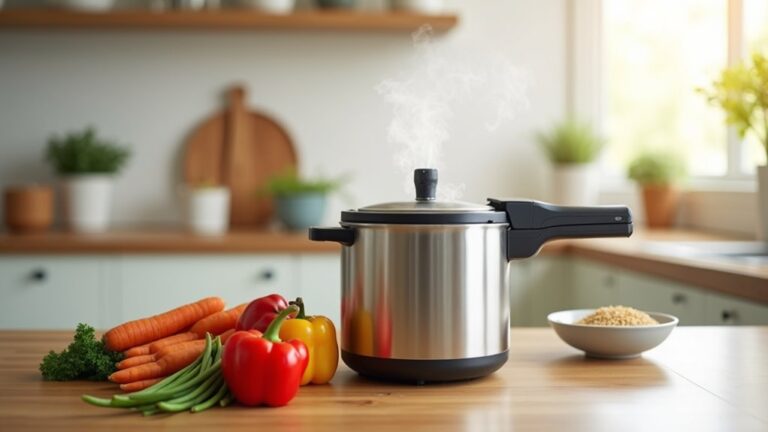
    A pressure cooker helps keep nutrients in your food. It preserves about 90-95% of vitamins and minerals. This is much better than boiling, where you can lose up to 75% of nutrients. The pressure cooker uses high heat and very little water. This cooks food quickly and keeps important nutrients intact. It also lowers anti-nutrients that can block mineral absorption. Want to get the most out of your meals? There are many ways to use a pressure cooker effectively.

  • Is Instant Pot And Pressure Cooker The Same

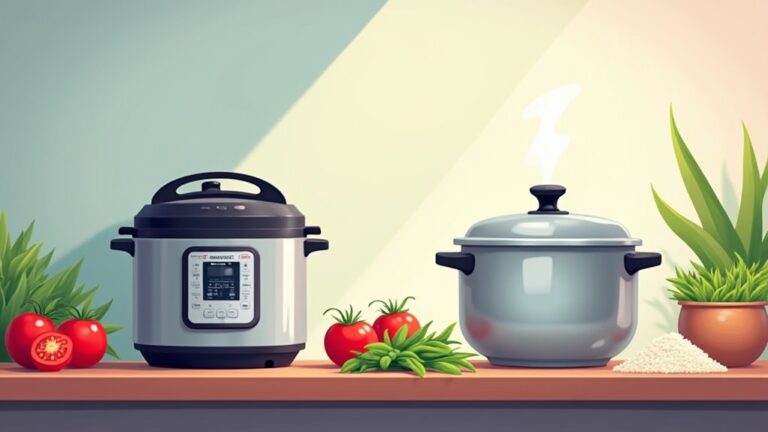
    Instant Pots and traditional pressure cookers are not the same. Instant Pots are electric and multi-functional. They can sauté, slow cook, and steam. This makes them easy to use with digital controls and safety features.

    Traditional pressure cookers are stovetop models. They cook at higher psi, which means faster cooking times. But they need more hands-on attention. You must watch them closely while cooking.

    Instant Pots offer more versatility. They cook at lower pressures, which can be safer and easier. They allow for a wider range of recipes.

    Choosing between them depends on your cooking style. Want convenience? Go for an Instant Pot. Prefer quick stovetop cooking? A traditional pressure cooker might be better. Understanding these differences helps you make the right choice for your kitchen.

  • What Can I Use Instead Of A Dutch Oven

    No Dutch oven? No problem! Plenty of substitutes work just as well.

    Stock pots are great for making soups. Use enameled cast iron casserole dishes for braising meats. Braising pans have low, wide sides that keep moisture in. Slow cookers are perfect for tenderizing meat with low heat.

    Cast iron skillets and roasting pans add versatility too. These options can handle a variety of dishes. Remember to pay attention to cooking times and techniques. With a bit of creativity, you’ll find the perfect substitute for your recipe.

  • Is Cooking With Pressure Cooker Healthy

    Cooking with a pressure cooker is a great way to eat healthy. It keeps 90-95% of the nutrients in your food. This makes meals more nutritious. Pressure cooking also boosts the antioxidant levels in foods like black beans and carrots. It cooks food faster, which saves energy. With improved flavor and texture, pressure cooking helps create balanced meals. Using this method can benefit your health and the planet. Enjoy delicious and healthy food with a pressure cooker!

  • How To Pan Fry Salmon

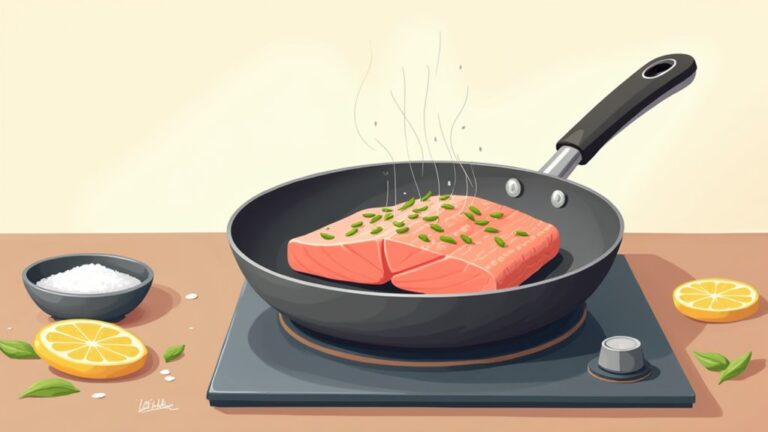
    To pan fry salmon, use fresh fillets with skin on. Pat them dry and let them sit for 20 minutes. A heavy stainless steel or cast iron skillet works best. Heat some neutral oil over medium-high heat until it shimmers. Season your salmon with salt and pepper. Place it skin-side down in the hot skillet. Cook it without moving for 4-6 minutes. Gently flip the salmon. Cook it until it’s tender and flaky. You want that perfect golden crust on top. Enjoy your delicious pan-fried salmon!

  • How To Clean Burnt Stainless Steel Pan

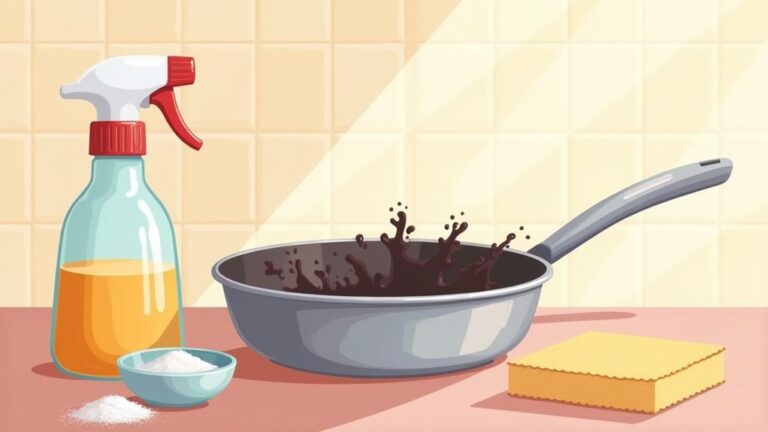
    Cleaning a burnt stainless steel pan can be easy. Start with baking soda. Mix baking soda with water to make a paste. Spread this paste on the burnt parts. Let it sit for 15 to 30 minutes.

    For tougher stains, use vinegar or lemon juice. These acidic cleaners help break down stubborn marks. Heat the pan with water for 10 to 15 minutes. This step makes scrubbing easier.

    Use non-scratch sponges to scrub the pan gently. Rinse the pan well to remove any residue. Your pan will shine like new again. Regular care keeps your cookware in great shape.

  • How To Pan Sear Salmon

    To pan sear salmon perfectly, start by drying the fillets with a paper towel. Season both sides with kosher salt and black pepper. Heat a heavy stainless steel or cast iron pan over medium-high heat. Add avocado or olive oil until it shimmers.

    Place the salmon in the pan, skin-side down. Press gently on the fillets for 6-7 minutes. This helps achieve crispy skin. Flip the salmon and cook for 30 seconds to 2 minutes. Check the internal temperature; it should reach 125-130°F.

    Let the salmon rest for a few minutes. This keeps it juicy. You can enhance the dish with fresh herbs or colorful sides. These add flavor and make your plate look beautiful. Experiment with different seasonings to find what you love. Enjoy your delicious pan-seared salmon!