Cookware & Bakeware

  • Is Pressure Cooker Bone Broth As Healthy

    Pressure cooker bone broth is a super healthy choice. It’s full of important minerals, collagen, and amino acids. These nutrients help with muscle strength and gut health. Bone broth supports your joints and improves digestion. It can heal the gut lining and reduce inflammation. Drinking it may also keep your skin hydrated and slow down aging. With so many benefits in every cup, it’s a smart addition to your meals. Enjoy the goodness of bone broth for a healthier you!
  • Is A Slow Cooker The Same As A Pressure Cooker

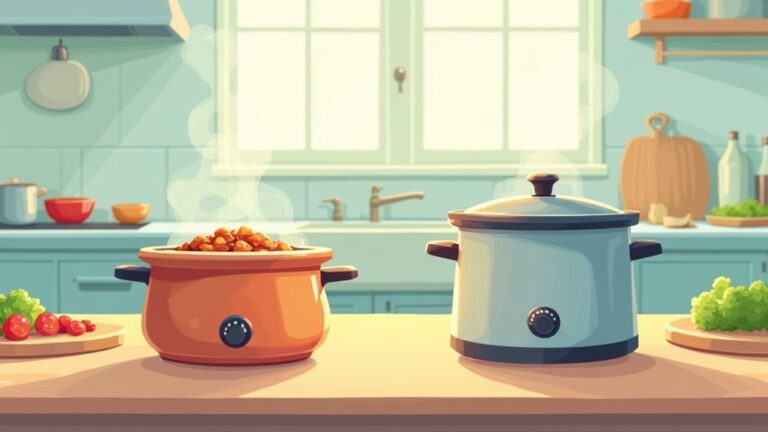
    A slow cooker and a pressure cooker are different tools for cooking. Slow cookers use low heat and take several hours to cook food. This method is great for soups and stews. It brings out rich flavors. You can set it and forget it.

    Pressure cookers, on the other hand, cook food quickly. They use steam pressure to prepare meals in about 30 minutes or less. This method saves time but needs careful timing.

    Both tools have their benefits. Slow cookers are perfect for easy, hands-off cooking. Pressure cookers are great for quick meals. Understanding each one helps choose what fits your cooking style.

  • Difference Between Instant Pot And Pressure Cooker

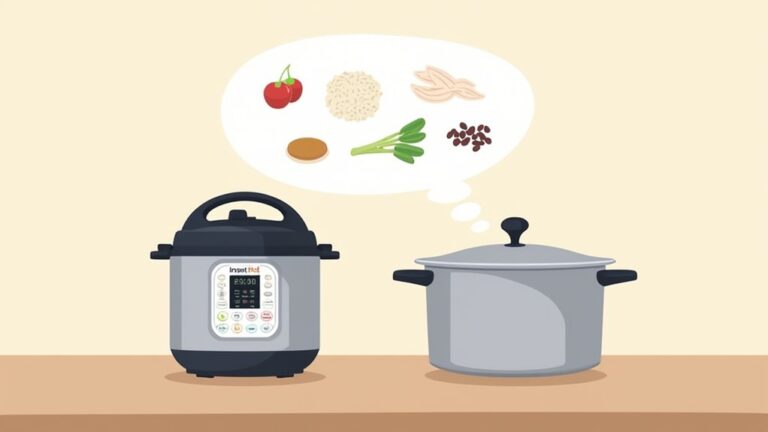
    Instant Pots and traditional pressure cookers serve different purposes in the kitchen. Instant Pots are electric and offer many cooking options. You can sauté, slow cook, or even make yogurt. This makes them very versatile.

    With an Instant Pot, you can set it and walk away. It cooks food quickly and safely without needing constant attention. Traditional stovetop pressure cookers need you to control the heat.

    Instant Pots may cook at a slightly lower pressure, but they still save time. They are user-friendly and great for busy cooks. Both appliances help you prepare meals fast, but Instant Pots offer more functions.

  • Is A Pressure Cooker The Same As A Pressure Canner

    A pressure cooker and a pressure canner are not the same. Each has its own purpose. A pressure cooker helps you cook meals faster. It’s great for making soups or stews. A pressure canner, on the other hand, is for preserving food. It keeps low-acid foods safe from harmful bacteria, like botulinum.

    Canners usually have a larger capacity. They maintain a steady pressure and temperature, which is important for safe canning. Using a regular or electric pressure cooker for canning can be risky. It might not keep food safe.

    Knowing the best practices for canning is important. Choosing the right model matters too. Always prioritize safety when preserving food.

  • Is A Pressure Cooker A Crock Pot

    A pressure cooker and a crock pot are not the same. They have different cooking methods and times.

    A pressure cooker cooks food quickly. It uses high-pressure steam. Meals can be ready in just 25-30 minutes. This is great for cooking tough meats and dried beans.

    On the other hand, a crock pot cooks food slowly. It uses low heat and takes 4-8 hours. This method brings out deep flavors in soups and stews.

    Both tools are versatile, but they work best for different recipes. Expect different results from each one. Knowing their differences helps you choose the right appliance for your meal.

  • How To Remove Rust From Cast Iron Pan

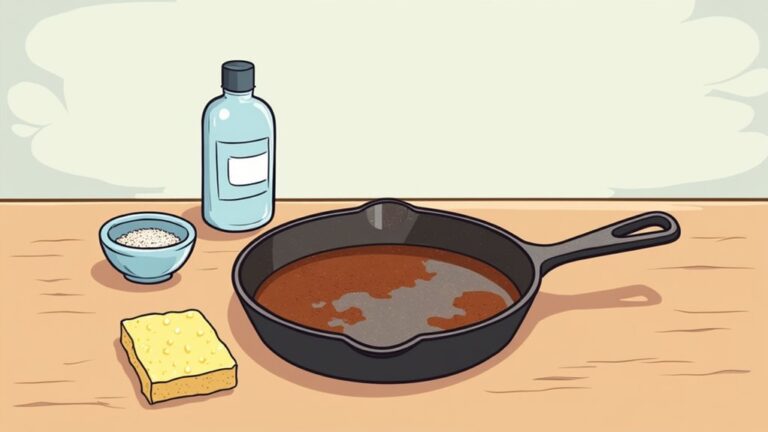
    To remove rust from your cast iron pan, start by washing it with warm, soapy water. Soak the pan in a mix of equal parts white vinegar and hot water. Let it sit for a few minutes. Scrub the rusted spots firmly with steel wool or a stiff brush. Rinse the pan well and dry it completely. After drying, re-season the pan with a high smoke point oil for protection.

    Keep your cast iron pan in good shape. Always dry it after washing. Store it in a dry place. Avoid soaking it for long periods. Regularly re-season to keep it rust-free. With these tips, your cast iron pan will last a long time.

  • How To Prepare Asparagus In A Pan

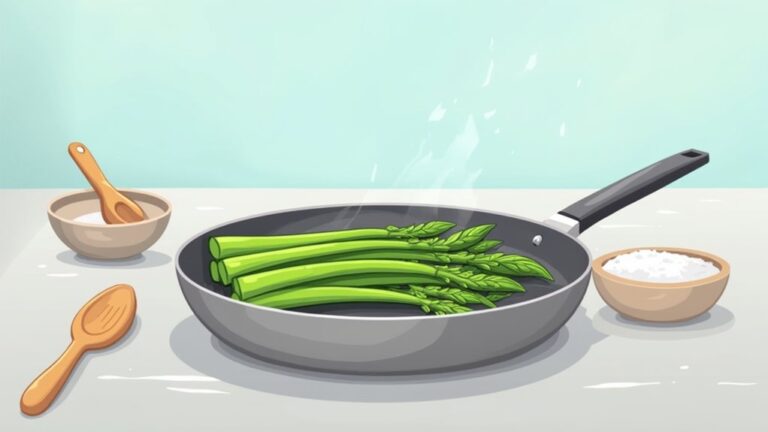
    To prepare asparagus in a pan, start by selecting fresh stalks. Look for firm, straight ones that are 7 to 12 inches long. Cut off at least an inch from the tough ends. Rinse the stalks well to remove dirt.

    Next, heat a pan over medium-high heat. Add 1 to 1.5 tablespoons of high-quality olive oil. Place the asparagus in the pan in a single layer. Cook for 4 to 5 minutes. Turn them every minute to ensure even cooking.

    For flavor, sprinkle kosher salt and black pepper. A splash of lemon juice adds brightness. This simple recipe is quick and delicious. Pair with sauces or side dishes for a complete meal. Enjoy your tasty asparagus!

  • How To Pan Sear Steak

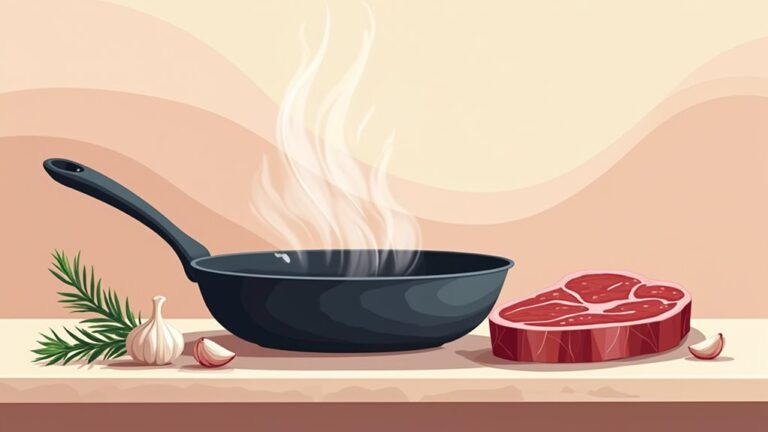
    To pan sear a steak perfectly, choose a cut that is 1 to 1.5 inches thick, like ribeye or filet mignon. Let the steak sit at room temperature for 20 to 30 minutes. Season it well with coarse kosher salt and black pepper.

    Preheat a cast iron pan over high heat until it reaches 400°F. Add some oil to the hot pan. Place the steak in the pan and sear it for 3 to 5 minutes. Don’t move it around. This helps create a nice crust.

    For extra flavor, finish cooking in the oven or baste with butter. Let the steak rest before serving.

    Enjoy your perfectly seared steak!

  • How To Deglaze A Pan

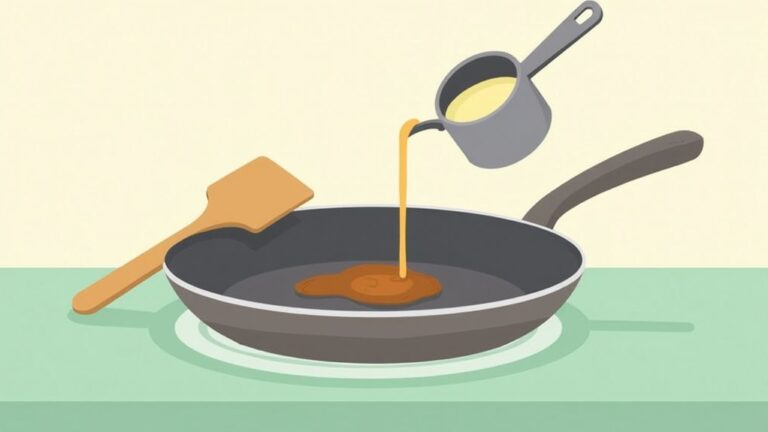
    To deglaze a pan, first, remove any cooked food. Leave the tasty bits, called fond, in the pan. Pour out excess fat but keep about a tablespoon. Heat the pan on medium. Add a splash of wine, stock, or juice. Use a wooden spoon to scrape the browned bits. Let it simmer for 3 to 5 minutes. Taste and adjust the seasoning if needed. This process creates a rich sauce full of flavor. It enhances your dish and makes it special. Balancing flavors can make your sauce even better.

  • How To Clean An Iron Cast Pan

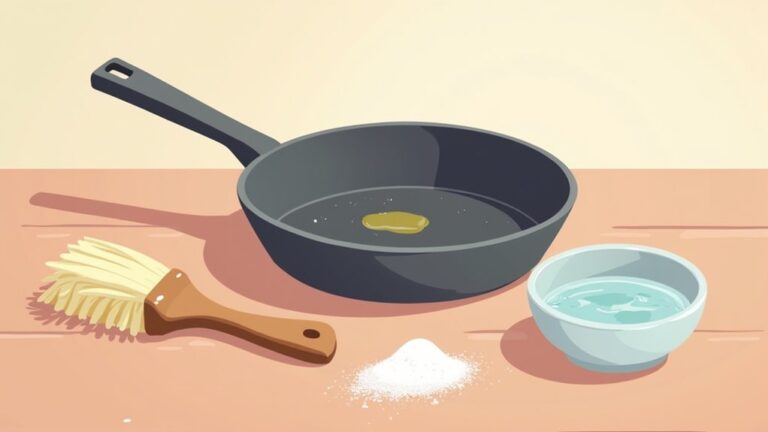
    Let the cast iron pan cool completely. This prevents warping. Use warm, soapy water and a nylon scrub pad to clean it. For tough spots, sprinkle coarse salt. This acts as a natural scrub. Stay away from harsh cleaners.

    After rinsing, dry the pan right away. This stops rust from forming. To season your pan, use a thin layer of high-quality oil. Bake it upside down at 400°F for 1-2 hours.

    Following these steps keeps your cast iron pan in great shape. Regular care helps it last longer. Enjoy cooking with your well-maintained pan!

  • How To Clean A Burnt Pan Or Pot

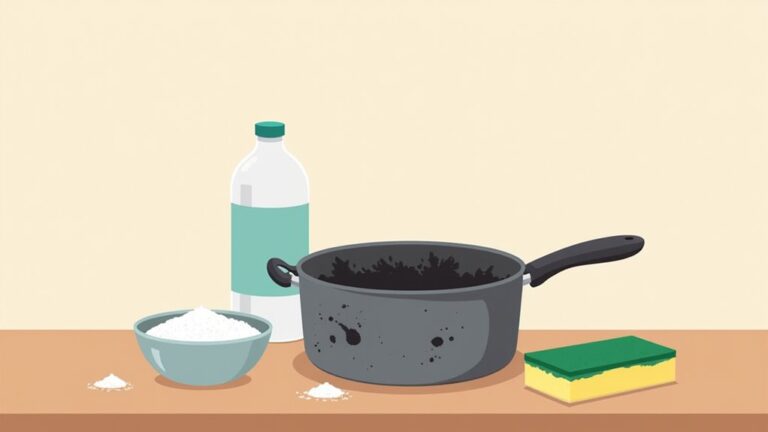
    To clean a burnt pan or pot, start by sprinkling baking soda over the burnt areas. Add a little water to make a paste. Let it sit for a few minutes to work its magic. Heat the pan for a quick deglaze. Pour in some broth or water and stir gently. This will lift the burnt bits.

    Soaking the pan can also help. Try soaking it for 15-30 minutes to loosen stubborn food. For tough stains, use a chainmail scrubber or a nylon brush. These tools are safe for delicate surfaces. Keep your cookware looking great with these simple steps.

  • How To Reseason A Cast Iron Pan

    Reseasoning a cast iron pan is simple. First, scrub the pan with soap and steel wool. This removes old seasoning and rust. Rinse it well and dry it completely. Preheat the oven to 200°F.

    Next, heat the pan in the oven for a few minutes. Take it out and apply a thin layer of high-smoke-point oil. Good options are flaxseed or canola oil. Spread the oil across all surfaces and wipe away any excess.

    Now, place the pan upside down in an oven heated to 400°F-500°F. Bake it for about an hour. This process helps the oil polymerize and bond to the pan.

    With regular care, your cast iron pan will stay in great shape. Follow these steps to keep it ready for cooking. Enjoy your meals!