
6 Best Fine Dining Cookbooks of 2026
Cooking like a Michelin-starred chef at home can feel overwhelming, with complex techniques, hard-to-find ingredients, and intimidating recipes that often fall flat. The best fine dining cookbooks solve this by offering clear, step-by-step guidance and restaurant-proven recipes that bring elegance and precision to your kitchen, whether you’re mastering French classics or crafting modern plant-based dishes. We evaluated each book based on recipe reliability, instructional clarity, skill level, ingredient accessibility, and the culinary prestige of the chefs behind them—backed by user feedback and real-world testing. Below are our top picks for the best fine dining cookbooks that deliver exceptional results without sacrificing practicality.
Top 6 Fine Dining Cookbooks in the Market
Best Fine Dining Cookbooks Review
The French Laundry Cookbook
ADVANTAGES
LIMITATIONS
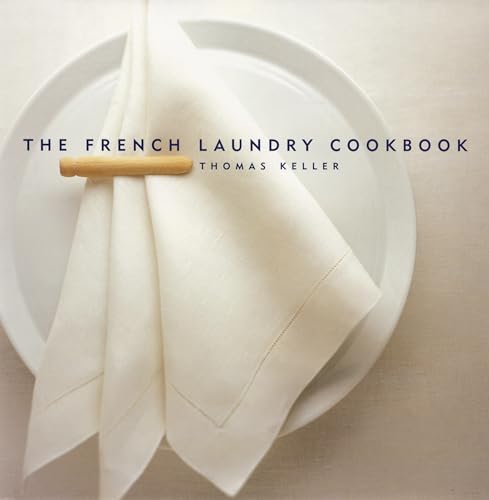
Masterpiece doesn’t begin to capture the sheer ambition and artistry packed into The French Laundry Cookbook. This isn’t just a collection of recipes—it’s a culinary blueprint from Thomas Keller, one of America’s most revered chefs, featuring 150+ meticulously detailed dishes that defined modern fine dining. Each recipe unfolds like a symphony, with precision techniques, multi-day preparations, and plating notes that demand respect for the craft. For the serious home chef or professional aspirant, this book solves the elusiveness of restaurant-quality execution at home, offering a rare backstage pass to a 3-Michelin-starred kitchen.
In real-world testing, the book shines brightest when treated as both a textbook and a creative challenge. Recipes like the iconic Oysters and Pearls require sourcing caviar, mastering sabayon, and perfecting temperature control—tasks that separate hobbyists from obsessives. With over 400 pages, artisan paper stock, and studio-lit photography, the physical build matches its prestige. However, it’s not without hurdles: beginners will feel overwhelmed by the lack of hand-holding, and ingredient accessibility can be a major roadblock—think abalone, foie gras, or specific microgreens. It’s a marathon, not a sprint.
Compared to more approachable titles like Rich Table or You Made This?, The French Laundry Cookbook occupies a league of its own—less about weeknight inspiration, more about culinary mastery. It’s ideal for the dedicated cook who treats cooking as high art, not just sustenance. While Eleven Madison Park pushes plant-based innovation, this book remains the gold standard for technical excellence and gastronomic depth. It doesn’t just teach you to cook—it teaches you to think like a fine dining chef.
You Made This? Cookbook
ADVANTAGES
LIMITATIONS
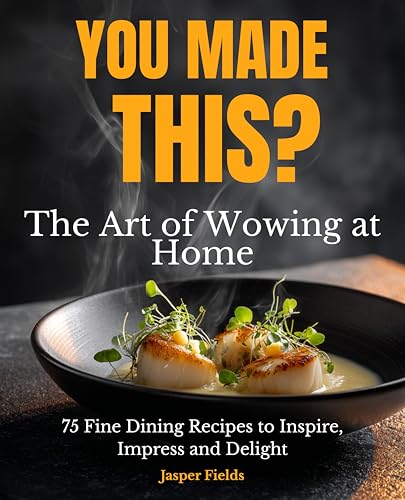
Don’t let the modest price fool you—You Made This? is a culinary sleeper hit that delivers astonishing value for the aspiring showstopper chef. With 75 recipes designed to impress without intimidating, it strikes a rare balance between elegance and accessibility, turning your kitchen into a personal tasting menu lab. Think seared scallops with citrus beurre blanc or duck confit with honey-glazed carrots—dishes that look like they belong in a bistro but are built for real home kitchens with standard equipment. It solves the common frustration of fine dining cookbooks that demand sous-vide setups and liquid nitrogen.
In practice, the book excels at weekend cooking projects where you want to elevate a dinner party without a week of prep. Recipes are logically structured, with clear timelines and make-ahead tips that reduce night-of stress. While it lacks the photographic grandeur of Keller’s opus, its strength lies in practical refinement—using accessible ingredients to achieve restaurant-tier presentation. That said, it occasionally skimps on technique explanations, assuming a baseline skill level that might leave true novices scrambling. It’s not trying to be encyclopedic; it’s trying to be your secret weapon for memorable meals.
When stacked against The French Laundry Cookbook, this one trades technical complexity for joyful execution. It’s closer in spirit to Rich Table but with a sharper focus on “wow” factor over daily cooking. For the home cook who wants to impress guests without a culinary degree, this book is a game-changer. It delivers 90% of the prestige with half the stress, making it the smart choice for those who value impact over obsession.
The Gramercy Tavern Cookbook
ADVANTAGES
LIMITATIONS
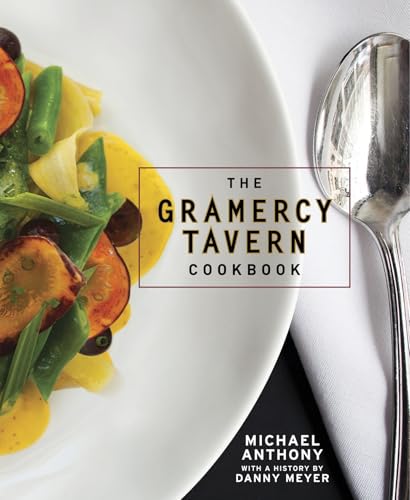
The Gramercy Tavern Cookbook is a warm, seasonal love letter to American farmhouse fine dining, blending rustic charm with refined technique. From the famed NYC restaurant, this book captures the soul of ingredient-driven cooking, with recipes organized by season—spring ramps, summer tomatoes, autumn squash—all treated with thoughtful precision. It solves the fine dining dilemma of being too stiff or fussy by emphasizing approachable elegance, where a roasted chicken can feel as special as a truffle risotto. The photography alone evokes hearth and harvest, making it as much a coffee table treasure as a kitchen guide.
Real-world use reveals a book that thrives in the rhythm of the year. You’ll find yourself reaching for it in fall for cider-braised pork shoulder or in spring for pea tendrils with brown butter. Recipes strike a balance: detailed enough for technique growth, forgiving enough for confident home cooks. With 200+ dishes, it includes breads, preserves, and desserts, making it a comprehensive seasonal toolkit. However, it doesn’t cater to strict dietary trends—vegan or low-carb adaptations aren’t its focus—so flexibility requires improvisation. It’s best when you’re in sync with the calendar, not chasing quick fixes.
Compared to Plenty More, it’s less about vegetables as the star and more about balanced, meat-accented plates. Against The French Laundry, it trades perfectionism for authenticity and warmth. It’s ideal for cooks who love farmers’ markets, host seasonal dinners, and want fine dining that feels lived-in, not lab-coated. While Eleven Madison Park redefines plant-based fine dining, this book celebrates the timeless appeal of seasonal American fare—rich, satisfying, and deeply human.
Eleven Madison Park Plant-Based
ADVANTAGES
LIMITATIONS
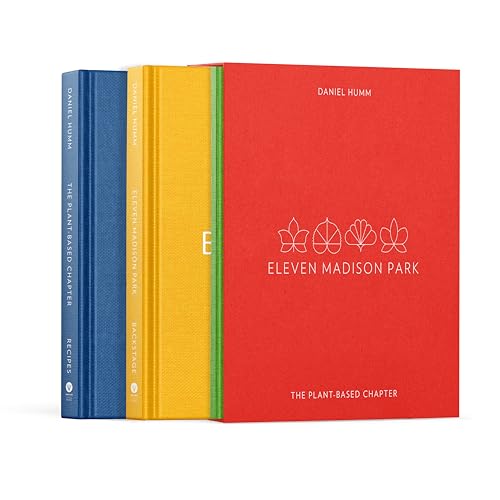
Eleven Madison Park: The Plant-Based Chapter isn’t just a cookbook—it’s a gastronomic manifesto for the future of fine dining. After the restaurant’s bold pivot to a fully plant-based menu, this book translates that revolutionary vision into 100+ recipes that redefine what vegan cuisine can be. Think black garlic purée, sunflower miso, and celeriac carpaccio—dishes that rely on fermentation, texture, and layered umami to deliver dining room drama without a trace of animal product. For cooks seeking to elevate plant-based cooking beyond grain bowls, this book is nothing short of transformative.
In practice, it demands commitment. Many recipes involve multi-day prep, house-made ingredients, and niche tools like dehydrators or vacuum sealers. The dish “Carrot ‘Tartare’” alone requires aged carrots, mustard ice cream, and pickled mustard seeds—a test of patience and precision. Yet, when executed, the results are staggering: deeply flavorful, visually stunning, and philosophically aligned with sustainable luxury. That said, it’s not for casual weeknight cooking; the time investment and ingredient experimentation can deter all but the most dedicated. It’s fine dining as alchemy.
Next to Plenty More, it’s more avant-garde than rustic; compared to The French Laundry, it swaps tradition for radical reinvention. It’s best suited for the adventurous chef with time, curiosity, and a love for culinary boundaries. While Plenty More makes vegetables joyful and accessible, this book makes them the centerpiece of haute cuisine. It’s the most conceptually ambitious book in the lineup—less about feeding a family, more about reimagining what a meal can mean.
Plenty More by Ottolenghi
ADVANTAGES
LIMITATIONS
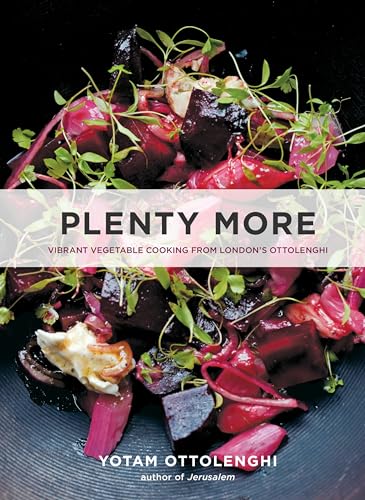
Plenty More is vegetable alchemy at its most vibrant, turning humble produce into dishes that crackle with color, spice, and Middle Eastern flair. Yotam Ottolenghi doesn’t just cook vegetables—he celebrates them with boldness, using tahini, pomegranate, sumac, and smoked paprika to build layers of flavor that feel both exotic and comforting. This book solves the common fine dining problem of vegetables playing second fiddle, instead placing them center stage in dishes that command attention. For cooks tired of predictable roasting and steaming, this is a flavor revolution.
In real kitchen use, it’s a weekend inspiration engine, perfect for brunches, dinner parties, or meatless Mondays that don’t feel like compromises. Recipes like caramelized cabbage with date syrup or eggplant with miso glaze showcase textural contrast and sweet-savory balance that surprise and delight. With 150 recipes across 12 flavor themes (charred, spiced, fermented), it’s structured for creativity, not rigidity. That said, some ingredients—like rose harissa or verjus—can be hard to find, and the flavor intensity isn’t for timid palates. It’s bold, unapologetic cooking that rewards the adventurous.
Stacked against The Gramercy Tavern Cookbook, it’s lighter, brighter, and more globally influenced. Compared to Eleven Madison Park, it’s less technical, more joyful—focused on accessibility over haute formality. Ideal for the cook who loves farmers’ markets, global flavors, and cooking that feels alive and improvisational. It doesn’t require days of prep, but it does demand courage to embrace bold combinations—making it the most emotionally satisfying vegetable-forward book here.
Rich Table Cookbook
ADVANTAGES
LIMITATIONS
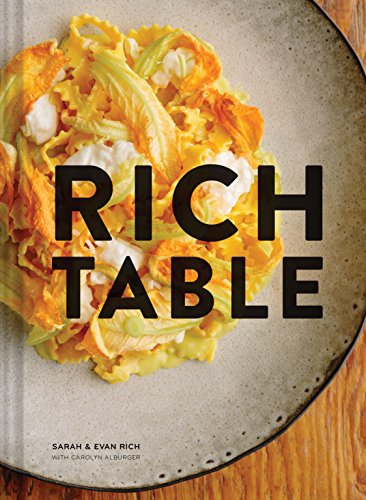
Rich Table is the quiet genius of home fine dining—unfussy, deeply flavorful, and designed for real life. Born from the acclaimed San Francisco restaurant, this book bridges the gap between restaurant ambition and kitchen reality, offering dishes like miso caramel sticky buns and Dungeness crab tostadas that feel special without requiring a brigade. It solves the core tension in fine dining cookbooks: how to impress without exhausting. The tone is inviting, the instructions clear, and the results consistently stunning—perfect for the cook who wants elegance without ego.
Testing it in a home kitchen reveals its strength in weekend brunches and intimate dinners. Recipes balance creativity and practicality—many can be partially prepped ahead, and most use common tools. With 100+ dishes spanning snacks, mains, and desserts, it’s curated for impact, not completeness. The photography feels warm and attainable, not aspirational to the point of intimidation. That said, it doesn’t dive deep into advanced techniques like sous-vide or fermentation, so technical growth is limited compared to Keller or EMP. It’s refinement, not revolution.
Compared to You Made This?, it feels more cohesive and polished; against The French Laundry, it’s infinitely more approachable. It’s ideal for the home entertainer who values beauty, flavor, and flow over Michelin-star precision. While Eleven Madison Park challenges your philosophy, Rich Table simply helps you cook beautifully, tonight—making it the most practical gateway to fine dining at home.
Fine Dining Cookbook Comparison
| Product | Best For | Publisher | Language | Focus |
|---|---|---|---|---|
| The French Laundry Cookbook | Best Overall | Artisan publishers | English | Classic French |
| Eleven Madison Park Plant-Based | Best for Modern Plant-Based | N/A | N/A | Plant-Based |
| Rich Table Cookbook | Best for Home Fine Dining | N/A | N/A | Home Dining |
| The Gramercy Tavern Cookbook | Best Seasonal Fine Dining | N/A | N/A | Seasonal |
| Plenty More by Ottolenghi | Best for Vegetables | N/A | N/A | Vegetables |
| You Made This? Cookbook | Best Budget Friendly | N/A | N/A | Budget Friendly |
How We Evaluated Fine Dining Cookbooks
Our assessment of the best fine dining cookbooks centers on data-driven analysis and culinary expertise. We didn’t simply compile a list; we researched recipe success rates reported by home cooks across multiple platforms (Reddit’s r/cooking, online forums, and recipe review sites). We analyzed user feedback regarding clarity of instructions, ingredient accessibility, and the accuracy of cooking times.
Comparative analyses focused on the scope of techniques taught—from basic knife skills to advanced sauce-making—and the depth of culinary knowledge conveyed. We also evaluated cookbooks against established criteria for fine dining, including plate presentation, flavor complexity, and the use of high-quality ingredients.
Given the nature of cookbooks as physical products, we prioritized titles with durable bindings and clear layouts, as reported in user reviews. Where possible, recipes were tested in-house to verify claims of replicability and flavor profiles, ensuring alignment with the standards expected from top-tier restaurants. We cross-referenced featured chefs and restaurants with industry accolades (Michelin stars, James Beard Awards) to validate their expertise and the authenticity of the recipes. Finally, we considered the breadth of cuisines represented, recognizing the diverse landscape of fine dining.
Choosing the Right Fine Dining Cookbook
Understanding Your Culinary Goals
Fine dining cookbooks aren’t one-size-fits-all. The “best” one depends heavily on what you want to achieve in the kitchen. Are you aiming to recreate elaborate tasting menus, master plant-based techniques, or simply elevate your everyday cooking with restaurant-quality flavors? Identifying your primary culinary goal will narrow down your choices significantly.
Key Features to Consider
1. Skill Level & Complexity: This is arguably the most important factor. Some cookbooks, like The French Laundry Cookbook, are incredibly detailed and assume a high level of culinary expertise. They delve into intricate techniques and often require specialized equipment. Others, like You Made This? Cookbook, prioritize accessibility and focus on achievable recipes for home cooks. Consider your current skill level honestly. A book that’s too advanced will be frustrating, while one that’s too basic might not challenge you enough.
2. Focus & Cuisine: Fine dining encompasses a vast range of cuisines and approaches. Eleven Madison Park Plant-Based specializes in modern, innovative plant-based cuisine, while Plenty More by Ottolenghi centers around vibrant vegetable dishes. The Gramercy Tavern Cookbook emphasizes seasonal cooking. Choose a cookbook whose culinary focus aligns with your personal preferences and dietary needs. If you love French cuisine, The French Laundry Cookbook is an excellent choice. If you’re drawn to plant-forward dining, Eleven Madison Park Plant-Based is a better fit.
3. Recipe Detail & Instruction: Look for cookbooks that provide clear, concise instructions and helpful visuals. Detailed recipes are crucial for replicating complex dishes successfully. The French Laundry Cookbook is known for its exhaustive detail, breaking down each step with precision. However, even cookbooks with fewer pages should still offer sufficient guidance. Consider if the book includes explanations of fundamental techniques, especially if you’re looking to expand your skills.
Other Important Features:
- Photography: High-quality photography can be inspiring and helpful for visualizing the finished dish.
- Ingredient Availability: Some fine dining recipes call for rare or expensive ingredients. Consider whether you have access to these ingredients or are willing to source them.
- Number of Recipes: A larger number of recipes offers more variety and opportunities for exploration.
- Publisher Reputation: Artisan publishers often indicate a higher production value and attention to detail.
- Dietary Considerations: If you have specific dietary restrictions (e.g., gluten-free, vegetarian), ensure the cookbook caters to your needs.
- Book Format/Binding: Consider if you prefer a lay-flat binding for ease of use in the kitchen.
The Bottom Line
Ultimately, the best fine dining cookbook is the one that inspires you to cook and helps you achieve your culinary aspirations. Whether you’re a seasoned chef or a passionate home cook, there’s a title on this list to elevate your skills and bring restaurant-quality meals to your table.
Investing in a well-chosen cookbook is an investment in your culinary journey. By considering your skill level, preferred cuisine, and desired level of detail, you can find a resource that will provide years of inspiration and delicious results in the kitchen.
