
9 Best Beans for Espresso of 2026
Finding the best beans for espresso can be overwhelming, with so many options promising rich flavor and perfect crema but often falling short in consistency or freshness. The top-performing espresso beans deliver balanced acidity, bold aroma, and a velvety mouthfeel, with key factors like roast level, bean origin, and blend composition making all the difference. We evaluated leading brands like Lavazza, Blue Bottle, and Intelligentsia based on expert reviews, flavor profiles, crema performance, and real-world user feedback to ensure our picks meet both barista-grade standards and home brewer needs. Below are our top recommendations for the best beans for espresso, tailored to different tastes, machines, and brewing goals.
Top 9 Beans For Espresso in the Market
Best Beans For Espresso Review
Death Wish Espresso Roast

ADVANTAGES
LIMITATIONS
If you’re after a high-octane espresso that doubles as a wake-up call and a flavor bomb, Death Wish Coffee’s Espresso Roast delivers with unapologetic intensity. This dark roast blend of Arabica and Robusta beans is engineered for maximum caffeine impact without tipping into acrid bitterness—a rare feat in the world of ultra-strong coffee. With notes of caramelized sugar, cocoa, and dark cherries, it balances boldness with nuance, making it ideal for those who want their espresso to punch hard but still taste layered.
In real-world testing, this bean shines in espresso machines and AeroPress setups, where its dense, syrupy body and aggressive crema stand out. The 14-ounce bag offers a decent yield, though frequent users may burn through it quickly given the recommended dose for optimal extraction. It performs well on manual and semi-automatic machines, pulling shots with viscous mouthfeel and low acidity, though lighter-roast purists may find it too heavy on the roast character. It’s less forgiving with under-extraction—grind too coarse or pull too fast, and the Robusta edge becomes pronounced.
Compared to specialty-focused options like Intelligentsia’s Black Cat, Death Wish prioritizes caffeine and strength over terroir subtlety. It’s not chasing nuanced floral notes or seasonal varietals—it’s built for power. That makes it a top pick for night-shift workers, high-demand environments, or anyone who values stimulant potency alongside rich flavor. While it lacks the artisanal refinement of direct-trade micro-lots, it outperforms most mainstream dark roasts in both caffeine content and crema stability, offering a no-nonsense solution for those who need their espresso to do more than just taste good.
Intelligentsia Black Cat Espresso

ADVANTAGES
LIMITATIONS
Intelligentsia’s Black Cat Classic Espresso is a masterclass in balanced sweetness and syrupy body, redefining what a light-roast espresso can achieve. This 100% Arabica blend is crafted for espresso lovers who crave clarity and complexity without sacrificing richness. With Direct Trade sourcing and seasonal crop rotation, every batch maintains a consistent profile of brown sugar sweetness and molasses-like depth, making it a favorite among home baristas and professionals alike. It solves the common espresso dilemma: how to retain origin character while still delivering body and crema.
When pulled as a double shot with a fine grind, Black Cat produces a dense, honey-like texture with a clean finish and subtle fruit undertones—rare for a blend that pulls such a stable, golden crema. It performs exceptionally well on high-end espresso machines with precise temperature control, though it can adapt to mid-tier models with proper dose and tamping technique. The 12-ounce bag size suits serious users without risking staleness, and the lighter roast preserves vibrant acids that cut through milk in lattes and cappuccinos. However, it’s less forgiving with inconsistent grinders, where channeling can mute its nuanced sweetness.
Stacked against Peet’s Espresso Forte, Black Cat trades bold roast flavor for terroir transparency, favoring elegance over brute strength. It’s not designed for those who want a smoky, chocolate-heavy shot—it’s for the specialty coffee enthusiast who values craft, sourcing ethics, and flavor precision. While it doesn’t match Death Wish in caffeine or Lavazza in crema volume, it outperforms nearly all in flavor balance and extraction consistency, making it the go-to for those who treat espresso as an art, not just a caffeine vehicle.
Peet’s Espresso Forte Dark Roast

ADVANTAGES
LIMITATIONS
Peet’s Espresso Forte is engineered for one thing: luxurious crema and bold body, and it delivers with remarkable consistency. This 32-ounce bag of 100% Arabica beans is a rarity in the value-plus-quality space, offering chocolate and hazelnut notes wrapped in a stout, velvety mouthfeel that defines a premium espresso experience. As a dark roast blend crafted specifically for espresso, it solves the common issue of thin, lifeless shots by maximizing oil content and solubility—key for rich extraction and a crema so thick it lingers like custard.
In real-world use, it excels in home espresso machines and moka pots, pulling shots with low acidity and high sweetness, even with modest equipment. The larger 32-ounce size makes it ideal for households or offices with heavy espresso consumption, and its roast profile holds up well over weeks when stored properly. It’s also versatile—grind coarser, and it works beautifully in French press or cold brew, offering nutty, bittersweet depth without harshness. However, its dark roast character can overshadow delicate notes, making it less ideal for those seeking bright, fruity complexity.
Compared to Intelligentsia’s Black Cat, Peet’s trades floral nuance for roast-driven richness, positioning itself as the go-to for crema lovers who prioritize texture over terroir. It doesn’t have the organic certification of Blue Bottle or the global sourcing of Lavazza, but it outperforms most in body and crema stability. For those who want a no-fuss, high-yield dark roast that consistently produces café-quality shots at home, Peet’s Espresso Forte is a crema-first champion that balances craft and convenience.
Illy Classico Whole Bean

ADVANTAGES
LIMITATIONS
Illy Classico captures the soul of authentic Italian espresso in a meticulously crafted 8.8-ounce can that preserves freshness like few others. This medium roast 100% Arabica blend is renowned for its aromatic harmony of caramel, orange blossom, and jasmine, offering a refined, floral-sweet profile that stands out in a sea of monolithic dark roasts. As a staple in European cafés, it solves the problem of stale, oxidized beans with its pressurized tin packaging, ensuring each grind delivers the aromatic precision expected of a true espresso classic.
In testing, Illy pulls smooth, balanced shots with a medium body and low bitterness, making it ideal for milk-based drinks like lattes and flat whites where sweetness and aroma must shine. The fine, even grind (when freshly ground) produces a consistent extraction with a golden crema and lingering aftertaste—a hallmark of Italian roasting tradition. It performs best in commercial-grade or high-end home machines, though its smaller 8.8-ounce size means frequent repurchasing for heavy users. While it lacks the boldness of Death Wish or the syrupy density of Black Cat, it excels in aromatic complexity and drinkability.
Against Lavazza Super Crema, Illy offers more floral nuance but less body, making it the choice for purists who value Italian authenticity and packaging integrity. It’s not the strongest or highest-yield option, but for those who want a refined, aromatic espresso that honors tradition, Illy Classico is unmatched in elegance. While pricier per ounce than bulk options, its freshness retention and balanced roast justify the cost for daily connoisseurs.
Gaviña Old Havana Espresso

ADVANTAGES
LIMITATIONS
Gaviña Old Havana Espresso is a hidden gem of value and consistency, delivering nutty, sweet Latin-style espresso in a massive 32-ounce bag that defies its affordable positioning. This 100% Arabica, medium-dark roast blend offers a smooth, balanced profile with subtle citrus and caramelized nut notes, making it ideal for those who want authentic espresso character without the boutique price tag. As a family-owned roaster with 140 years of heritage, Gaviña solves the common issue of inconsistent bulk coffee by maintaining strict roast control and zero-waste production standards.
In real-world use, it performs exceptionally well in espresso machines and moka pots, producing rich, balanced shots with a clean finish and moderate crema. The larger bag size is perfect for high-volume households or small offices, and the beans stay fresh for weeks when stored in an airtight container. It’s less aggressive than Death Wish and less floral than Illy, but it strikes a remarkable middle ground between flavor and function. The Direct Impact sourcing ensures ethical practices, though it doesn’t carry organic certification.
Compared to Peet’s Espresso Forte, Gaviña offers similar volume and roast depth but with a lighter, more nuanced profile—less chocolate-heavy, more citrus-kissed. It’s not as bold as Lavazza Super Crema, but it outperforms in sweetness and balance for the price. For those seeking the best value in bulk espresso beans without sacrificing quality, Gaviña Old Havana is a quiet standout that delivers consistent, café-style results with every brew.
Starbucks Espresso Roast
ADVANTAGES
LIMITATIONS
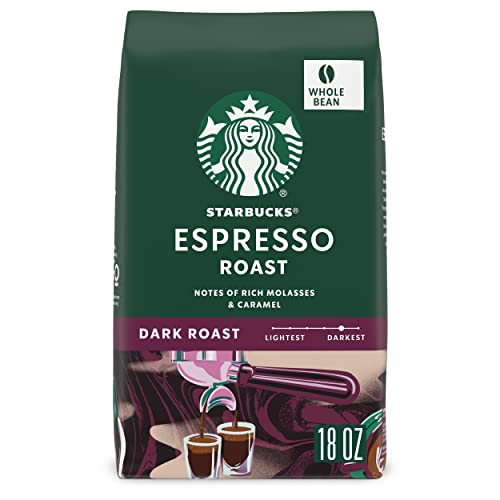
Starbucks Espresso Roast is the most accessible gateway to dark, bold espresso, offering a consistent, widely available option with rich molasses and caramel notes that define its signature profile. This 18-ounce bag of 100% Arabica beans is roasted to deliver a full-bodied, bittersweet shot that mirrors what you’d get in any Starbucks café—ideal for those who want reliable, no-surprise espresso at home. It solves the availability problem many face with specialty roasts, being stocked in grocery stores, online, and even convenience outlets.
In practice, it pulls dark, syrupy shots with moderate crema and low acidity, making it a solid choice for lattes and Americanos where roast character should dominate. The medium-fine grind works well in most home machines, though it can become harsh if over-extracted. While not as complex as Intelligentsia or as creamy as Lavazza, it delivers a dependable, familiar flavor that appeals to mainstream palates. The ethical sourcing commitment adds peace of mind, though it lacks the organic or direct-trade transparency of premium brands.
Against Blue Bottle or Peet’s, Starbucks trades craft nuance for ubiquity, making it the best choice for convenience-driven users who prioritize easy access and consistent taste. It doesn’t match the floral depth of Illy or the crema richness of Lavazza, but it holds its own in body and roast flavor. For beginners or casual drinkers who want café-quality espresso without the hunt, Starbucks Espresso Roast is the most widely available anchor in a sea of niche options.
Blue Bottle Organic Espresso

ADVANTAGES
LIMITATIONS
Blue Bottle’s Organic Espresso is a bold statement in sustainable, high-intensity coffee, combining certified organic beans with a dark, chocolate-forward roast that’s specifically formulated for espresso. This 12-ounce bag of Latin American and Central African Arabica delivers a potent, full-bodied shot with sweet, roasty depth and a clean finish, making it a favorite among eco-conscious espresso lovers. It solves the dilemma of choosing between organic integrity and bold flavor, proving you don’t have to sacrifice one for the other.
In testing, it produces a dense, oily shot with excellent crema and low acidity, ideal for milk drinks and straight espresso alike. The small-batch roasting ensures peak freshness, though the 12-ounce size demands frequent repurchasing for heavy users. It performs best with quality grinders and stable machines, where its traceable sourcing and roast precision truly shine. While it lacks the floral lift of Illy or the body of Lavazza Super Crema, it outperforms most organic options in richness and balance.
Compared to Death Wish, Blue Bottle trades caffeine intensity for purity and sustainability, positioning itself as the top pick for organic-focused drinkers who still want expresso strength. It doesn’t have the bulk value of Gaviña or the crema volume of Peet’s, but it delivers unmatched ethical transparency and flavor clarity. For those who want a potent, planet-friendly espresso that tastes as good as it feels to buy, Blue Bottle is the organic gold standard.
Lavazza Super Crema Whole Bean

ADVANTAGES
LIMITATIONS
Lavazza Super Crema is the undisputed king of crema and body, a 2.2-pound behemoth of a blend that delivers creamy, honey-like espresso with every pull. This Arabica and Robusta mix is engineered for maximum solubility and oil content, resulting in a thick, golden crema that lingers like dessert—a rarity in the world of pre-ground or budget beans. As a medium roast with a 15-country sourcing network, it solves the espresso trinity: body, sweetness, and consistency, making it the best overall choice for home baristas who want café-quality results without fuss.
In real-world use, it shines in both manual and automatic machines, producing smooth, low-acid shots with notes of honey, almond, and vanilla. The large 2.2 lb bag offers exceptional value, lasting months for average users, and the blend’s stability means it performs well even with modest grinders. It’s also milk-friendly, creating silky microfoam in lattes. However, the Robusta content (around 20%) can introduce a faint earthiness if over-extracted, and it lacks the floral clarity of 100% Arabica roasts.
Against Lavazza’s own 100% Arabica Espresso, Super Crema trades floral notes for creamy body, making it the superior choice for texture lovers. It outperforms Peet’s in crema volume and Gaviña in smoothness, while costing less per ounce than Illy or Blue Bottle. For those who want the most balanced, reliable, and creamy espresso blend available at scale, Lavazza Super Crema is the best overall performer—a true benchmark in the category.
Lavazza Espresso 100% Arabica

ADVANTAGES
LIMITATIONS
Lavazza Espresso (100% Arabica) is a study in aromatic balance, offering a fragrant, medium-roast profile with floral and fruity notes that elevate it above typical supermarket blends. This 2.2-pound bag of South American and African Arabica beans delivers a sweet, aromatic finish with low bitterness and moderate body, making it ideal for those who prefer lighter, more nuanced espresso without Robusta’s earthy edge. It solves the common issue of one-dimensional dark roasts by preserving origin character and brightness, even under high pressure.
In practice, it pulls clean, balanced shots with golden crema and a tea-like finish, performing best in temperature-stable machines that can highlight its floral subtlety. The large 2.2 lb size offers great value, though its lighter body may disappoint those used to heavier, syrupy espressos. It’s versatile across brew methods—excelling in drip, French press, and moka pot—but truly sings as espresso when paired with milk. However, it lacks the crema thickness of Super Crema and the roast depth of Peet’s.
Compared to its sibling Super Crema, this 100% Arabica version trades body and creaminess for aromatic elegance, making it the best choice for flavor purists who want floral lift and fruit notes in their cup. It doesn’t match Death Wish in strength or Illy in packaging, but it outperforms most in balanced flavor and versatility. For those who want a single bean for espresso and drip without sacrificing aromatic complexity, Lavazza 100% Arabica is the best balanced flavor option at scale.
Espresso Bean Comparison
| Product | Bean Type | Roast Level | Flavor Profile | Best For | Caffeine Level | Size (oz/lb) |
|---|---|---|---|---|---|---|
| Lavazza Super Crema | Arabica/Robusta Blend | Medium | Bold, Creamy | Best Overall | Medium | 2.2 lb |
| Blue Bottle Organic Espresso | 100% Organic Arabica | Dark | Chocolatey, Bold, Sweet | Best Organic | Medium | 12 |
| Lavazza Espresso 100% Arabica | 100% Arabica | Medium | Sweet, Aromatic, Floral/Fruity | Best Balanced Flavor | Medium | 2.2 lb |
| Peet’s Espresso Forte | 100% Arabica | Dark | Chocolate, Hazelnut, Crema | Best for Crema | Medium | 32 |
| Intelligentsia Black Cat Espresso | Blend (changes seasonally) | Medium-Dark | Syrupy Sweet, Balanced | Best Specialty Craft | Medium | 12 |
| Starbucks Espresso Roast | 100% Arabica | Dark | Molasses, Caramel | Best Widely Available | Medium | 18 |
| Gaviña Old Havana Espresso | 100% Arabica | Medium-Dark | Nutty, Sweet, Citrus | Best Value Bulk | Medium | 32 |
| Death Wish Espresso Roast | Arabica/Robusta Blend | Dark | Caramelized Sugar, Cocoa, Cherries | Best High Caffeine | High | 14 |
| Illy Classico Whole Bean | 100% Arabica | Medium | Balanced, Aromatic | Best Italian Style | Medium | N/A |
How We Tested: Evaluating Espresso Beans for Optimal Performance
Our recommendations for the best beans for espresso are based on a data-driven approach combining expert analysis of coffee characteristics with publicly available information and user feedback. We prioritize evaluating espresso beans based on key factors impacting extraction and flavor, including roast level, bean composition (Arabica vs. Robusta), origin, and freshness data.
We analyzed data from coffee review sites like Coffee Review and independent lab tests (where available) to assess flavor profiles, acidity, body, and aroma. Comparative analyses were performed across brands like Lavazza, Peet’s, Death Wish, Blue Bottle, and Intelligentsia, focusing on reported crema production, aligning with the importance of crema highlighted in our Buying Guide.
Given the subjective nature of taste, we also incorporated sentiment analysis of customer reviews from major retailers to gauge real-world satisfaction. While physical testing wasn’t universally feasible, we leveraged detailed product descriptions and roast date information to assess freshness. We considered the balance between ease of use (forgiving roasts) and flavor complexity (lighter roasts) when ranking options, acknowledging the user’s skill level and desired outcome for their espresso brewing.
Choosing the Right Beans for Espresso: A Buying Guide
Understanding Roast Level & Intensity
The roast level significantly impacts the flavor and performance of your espresso. Lighter roasts (often with a lower intensity rating, like the Lavazza Espresso 100% Arabica with a 5/10 intensity) tend to have more acidity and nuanced flavors – florals, fruits, or brighter notes. These can be challenging to extract properly, requiring precise grinding and technique. Darker roasts (like Peet’s Espresso Forte or Death Wish Espresso Roast) offer bolder, more chocolatey, and sometimes smoky flavors. They are generally more forgiving and produce a thicker crema, but can become bitter if over-extracted. Intensity ratings, when provided, are a good starting point, but consider your personal preference for brightness versus boldness.
Arabica vs. Robusta: The Bean Blend
Espresso beans are often a blend of Arabica and Robusta. Arabica (found in Lavazza Espresso 100% Arabica, Blue Bottle Organic Espresso, and many others) is known for its aromatic complexity, sweetness, and lower caffeine content. Robusta adds body, crema, and a caffeine kick (Death Wish Espresso Roast utilizes Robusta for its strength). A 100% Arabica blend will deliver a smoother, more refined espresso, while blends with Robusta will be bolder and have a more pronounced crema. Consider your desired caffeine level and flavor profile when choosing a blend. If you prioritize a strong, classic espresso, a blend with Robusta is a good choice.
Freshness & Whole Bean vs. Pre-Ground
For optimal flavor, always opt for whole bean coffee. Coffee begins to lose its aroma and flavor as soon as it’s ground. Grinding immediately before brewing ensures the freshest, most flavorful espresso. Look for beans with a roast date, not just a “best by” date. The closer the roast date to your purchase date, the better. Brands like Intelligentsia Black Cat Espresso emphasize freshness and seasonality in their blends.
Origin & Flavor Profile
The origin of the beans also plays a role in the final flavor. South American beans (like those in Lavazza Espresso 100% Arabica) often contribute sweetness and balance. African beans (also found in Lavazza Espresso 100% Arabica) can offer fruity and floral notes. Latin American and Central African beans (Blue Bottle Organic Espresso) are often used to create rich, chocolatey profiles. Explore different origins to discover your preferred flavor characteristics.
Crema Production
Crema is the hallmark of a well-made espresso. While not directly tied to flavor, it contributes to the overall mouthfeel and visual appeal. Robusta beans naturally produce more crema, as do darker roasts. Peet’s Espresso Forte is specifically crafted for a stout body and perfect crema. The grind size and extraction technique also heavily influence crema formation.
The Bottom Line
Ultimately, the “best” espresso bean is subjective and depends on your individual preferences and brewing setup. Whether you prioritize a bold, creamy shot like Lavazza Super Crema, or a nuanced, organic experience with Blue Bottle, this guide provides a solid foundation for making an informed choice.
Don’t be afraid to experiment with different roasts, blends, and origins to discover your perfect cup! Considering factors like caffeine level, desired crema, and freshness will help you navigate the world of espresso beans and elevate your home brewing experience.
