
8 Best Sweeteners for Baking 2026
Finding the right sugar substitute for baking can be frustrating—many sweeteners leave behind a bitter aftertaste, fail to caramelize, or result in dry, crumbly textures. The best baking sweeteners solve these issues by mimicking sugar’s bulk, browning ability, and moisture retention, with top picks like monk fruit-erythritol blends and allulose delivering reliable 1:1 replacements and natural flavor. We evaluated each option based on real-world baking performance, ingredient quality, dietary compatibility, and feedback from expert bakers to ensure our choices deliver consistent, delicious results. Below are our top recommendations for the best sweeteners for baking.
Top 8 Sweeteners For Baking in the Market

Best Sweeteners For Baking Review
Whole Earth 100% Erythritol

ADVANTAGES
LIMITATIONS
If you’re searching for a pure, no-frills erythritol that delivers exactly what it promises, the Whole Earth 100% Erythritol Sweetener stands out with crystal-clear simplicity and rock-solid performance. This zero-calorie granulated sweetener bakes, measures, and dissolves remarkably like sugar—minus the blood sugar spike—making it a go-to for keto bakers and health-conscious cooks who want total control over their ingredients. With a clean fermentation process from non-GMO corn and zero aftertaste, it solves the common issues of bitterness or digestive drama found in lesser sugar substitutes.
In real-world baking, this sweetener holds its own in cookies, muffins, and crumbles, though it can leave a slight cooling sensation due to erythritol’s natural properties—especially in high concentrations. It doesn’t caramelize like sugar, so recipes requiring browning or crisp edges may need a boost from allulose or careful oven monitoring. At 16 oz, the resealable pouch offers ample supply for regular use, and its fine granules integrate smoothly into dry mixes and beverages, though they dissolve slower in cold liquids than powdered alternatives.
Compared to Lakanto’s monk fruit blends, Whole Earth’s version lacks flavor-enhancing additives or moisture retention, but that’s the point—it’s the ideal choice for purists and formulators who mix their own blends or prefer total ingredient transparency. While Lakanto Baking Sweetener offers better texture in complex recipes, this one wins for customizability and dietary neutrality, especially for those avoiding stevia or monk fruit. It’s the most straightforward, reliable erythritol base in the lineup—perfect when you want to sweeten without surprises.
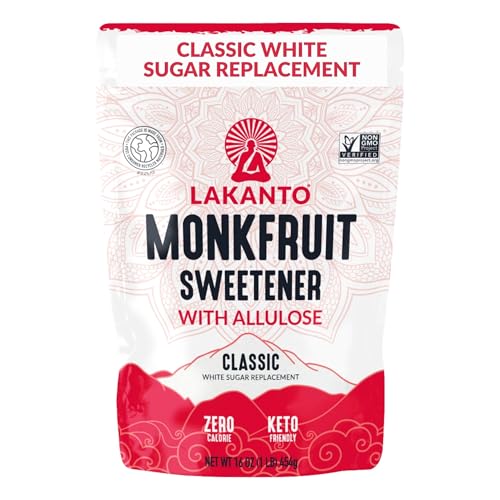
Lakanto Classic Monk Fruit Allulose
ADVANTAGES
LIMITATIONS
When moisture, flavor, and seamless sugar mimicry matter most in baking, the Lakanto Classic Monk Fruit Sweetener with Allulose is a game-changer—delivering soft, tender results that most zero-calorie sweeteners can’t match. This erythritol-free formula combines monk fruit extract with allulose, a rare sugar that behaves like sucrose in both texture and browning, making it exceptional for cookies, cakes, and delicate pastries. Unlike many substitutes that dry out baked goods, this blend retains moisture and avoids the icy crunch or cooling aftertaste common with pure erythritol.
In testing, this sweetener proved incredibly versatile: it dissolved instantly in hot coffee, blended smoothly into batters, and even caramelized beautifully in shortbread and blondies. The 1:1 sugar ratio simplifies substitutions, and the lack of digestive side effects—thanks to allulose’s gentle fermentation—makes it ideal for sensitive stomachs. However, because allulose is less heat-stable in very high-temperature baking (think meringues or hard candies), it can sometimes weep or soften over time if overbaked.
Stacked against Whole Earth’s erythritol, this sweetener is a clear upgrade for texture and taste, though it comes at a higher cost. Compared to SPLENDA Stevia, it lacks bitterness and performs far better in baking. It’s tailor-made for keto bakers who refuse to compromise on mouthfeel, especially those making chewy cookies or moist banana bread. If you want baked goods that taste and feel like the real deal, this is the gold standard for moist, bakery-style results without sugar.
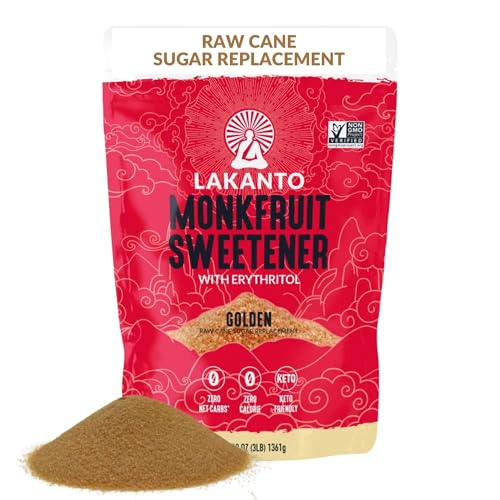
Lakanto Golden Monk Fruit Sweetener
ADVANTAGES
LIMITATIONS
For bakers craving the rich, buttery depth of brown sugar, Lakanto’s Golden Monk Fruit Sweetener with Erythritol is unmatched in flavor and functionality—delivering a caramel-like richness that transforms keto cookies, glazes, and spice cakes. This 3-pound bag is packed with a premium blend of monk fruit and erythritol, enhanced with natural flavors to mimic raw cane sugar, making it perfect for recipes where color and depth matter. It measures cup-for-cup like traditional brown sugar, dissolves smoothly, and browns beautifully—eliminating the flat, one-note sweetness of basic substitutes.
In practice, this sweetener shines in gingerbread, oatmeal cookies, and barbecue sauces, where its molasses-like profile adds complexity without the carbs. The erythritol base provides structure, while the monk fruit ensures zero glycemic impact. However, like all erythritol blends, it can crystallize slightly in high-fat recipes or when chilled, and the cooling aftertaste lingers more in cold applications like frostings or no-bake bars. The large 3 lb bag is ideal for frequent bakers, but the granules are slightly coarser than real brown sugar, requiring a quick grind for ultra-fine textures.
Compared to BetterBody Foods’ blend, Lakanto Golden offers superior flavor authenticity and better browning, though both are 1:1 substitutes. It’s less moisture-rich than allulose-based options like the Classic Monk Fruit with Allulose, but excels in recipes needing structure and color. This is the top pick for bakers who want keto-friendly snickerdoodles or pecan pie with authentic taste and appearance. For brown sugar lovers seeking guilt-free indulgence, this sweetener delivers flavor depth that feels truly decadent.
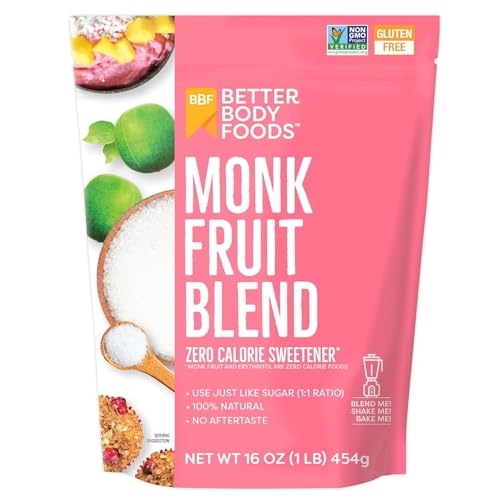
BetterBody Foods Monk Fruit Blend
ADVANTAGES
LIMITATIONS
Packed with value and performance, the BetterBody Foods Monk Fruit Sweetener Blend is a smart, budget-savvy choice for everyday baking without sacrificing quality. This 1:1 sugar substitute combines erythritol and monk fruit extract to deliver clean sweetness with zero net carbs and no blood sugar spikes—making it ideal for keto, diabetic, and low-glycemic diets. It pours and measures like regular sugar, integrates smoothly into batters, and bakes up with a neutral flavor profile that won’t overpower delicate vanilla or citrus desserts.
In real-world use, it performs solidly in muffins, pancakes, and sugar cookies, though it shares the common erythritol drawback of a cooling aftertaste, particularly in high-sugar recipes like frostings or lemon bars. It doesn’t caramelize well, so dishes requiring a golden crust may need supplemental browning agents. The 16 oz resealable bag is convenient for average users, though heavy bakers may find themselves repurchasing more often than with Lakanto’s 3 lb options. Still, its clean ingredient list—non-GMO, gluten-free, no preservatives—makes it a trustworthy pantry staple.
Compared to SPLENDA Stevia, it offers better baking performance and less bitterness, while being more affordable than Lakanto’s premium blends. It doesn’t match the moisture retention of allulose-based sweeteners, but for general-purpose use at a competitive price, it hits the sweet spot. This is the ideal pick for budget-conscious bakers who want a reliable, no-fuss substitute for daily treats. When value, simplicity, and clean labels are top priorities, this blend delivers consistent results without breaking the bank.
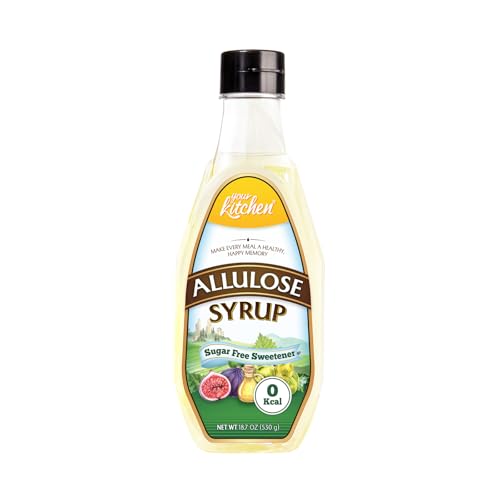
Your Kitchen Allulose Syrup
ADVANTAGES
LIMITATIONS
For bakers and mixologists who demand instant solubility and zero digestive fallout, Your Kitchen Allulose Syrup is the most underrated liquid sweetener on the market—offering a smooth, sugar-like taste with none of the bloating or flatulence linked to erythritol. This 99.99% pure allulose syrup, lightly enhanced with liquid stevia, dissolves instantly in cold coffee, smoothies, and batters, making it perfect for no-cook recipes, glazes, and beverages. With zero net carbs and zero glycemic impact, it’s a keto and diabetic dream, and its 70% sweetness level gives you precise control over dosing.
In testing, the syrup blended seamlessly into protein shakes, marinades, and pancake batter, adding moisture and shine without graininess. It caramelizes beautifully on top of crème brûlée or baked apples, behaving nearly identically to sugar under heat. However, because it’s liquid, it requires recipe adjustments—typically reducing other liquids by 1/4 cup per cup of syrup—to prevent soggy results. It’s also not ideal for dry mixes or powdered sugar substitutes, limiting its versatility compared to granulated options.
Stacked against Lakanto’s powdered or granulated blends, this syrup is in a different category altogether—not a direct replacement, but a specialized tool for moisture and shine. Compared to BetterBody Foods’ granulated blend, it avoids cooling effects entirely and is gentler on digestion. It’s best for keto bakers who want chewy texture and glossy finishes, or anyone tired of gritty sweeteners in iced tea. If you’re looking for a liquid sweetener that acts like sugar without the crash, this syrup is a stealth powerhouse for smart baking.
Lakanto Baking Monk Fruit Sweetener
ADVANTAGES
LIMITATIONS
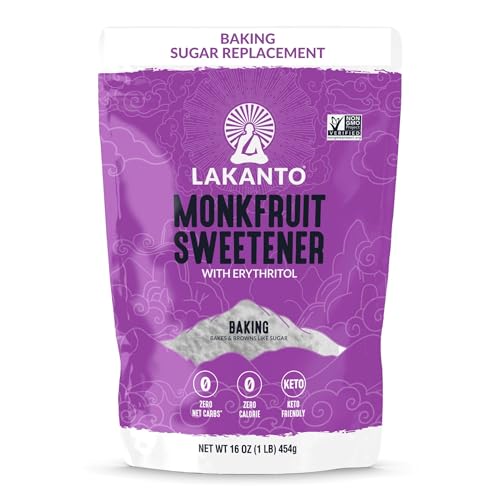
Lakanto’s Baking Monk Fruit Sweetener with Erythritol is engineered for one purpose: to be the best all-around performer in keto baking, and it delivers with scientific precision and culinary finesse. This isn’t just a sugar substitute—it’s a next-gen baking system combining monk fruit, erythritol, tapioca fiber, inulin, and cellulose gum to control cookie spread, improve browning, and retain moisture in ways most competitors can’t match. The result? Golden-edged cookies, fluffy cakes, and tender muffins that look and taste like they came from a traditional recipe.
In side-by-side tests, this blend outperformed basic erythritol and even some allulose mixes in structure and appearance, thanks to its proprietary fiber blend that mimics gluten and starch behavior. It measures 1:1 with sugar, dissolves well in wet batters, and browns beautifully—addressing the pale, doughy results common with other zero-calorie options. However, the added fibers can thicken batters more than expected, and some tasters noted a mild aftertaste from inulin when used in large quantities.
Compared to SPLENDA Stevia, it’s vastly superior in baking texture and flavor, and unlike Whole Earth Erythritol, it doesn’t leave a cooling void in the finish. While the Classic Allulose version wins for moisture, this one offers better structure and spread control, making it ideal for drop cookies and layer cakes. It’s the most balanced, well-rounded sweetener for serious bakers who want professional results without sugar. If you want one bag that handles 90% of your baking needs, this is the undisputed champion of performance and versatility.
SPLENDA Stevia Zero Calorie Sweetener
ADVANTAGES
LIMITATIONS
SPLENDA Stevia for Baking is the budget-friendly underdog that punches above its weight in taste, thanks to its Reb D-rich stevia extract sourced from US-grown plants—delivering sweetness without the harsh bitterness that plagues many stevia brands. This granulated powder is perfect for everyday use in coffee, sauces, and simple baked goods, offering a zero-calorie, plant-based alternative that’s easy on the wallet and gentle on blood sugar. Its fine texture blends well into dry mixes, and the resealable pouch ensures freshness without waste.
In real use, it performs admirably in quick breads, mug cakes, and sweetened yogurt, though it can struggle in complex recipes requiring bulk or browning. Unlike erythritol-based blends, it doesn’t provide volume, so cakes may turn out dense or flat if not adjusted with fillers. It also lacks moisture retention, leading to drier results in cookies or muffins. While it dissolves well in hot applications, it can leave a slight licorice-like aftertaste in high concentrations—especially for sensitive palates.
Compared to Lakanto’s premium blends, SPLENDA Stevia is less versatile in advanced baking, but it’s a solid entry-level option for those new to sugar substitutes or baking occasionally. It doesn’t match the texture of Lakanto Baking Sweetener, nor the moisture of allulose, but for simple swaps and cost-conscious buyers, it’s a reliable, accessible starting point. If you want a no-frills, affordable sweetener that tastes clean and works in basic recipes, this is the smart pick for light users and stevia skeptics alike.
Lakanto Powdered Monk Fruit Sweetener
ADVANTAGES
LIMITATIONS
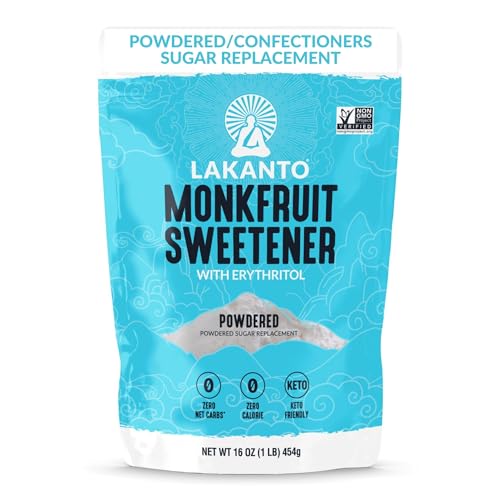
When you need a luxuriously smooth, clump-free powdered sugar substitute, Lakanto’s Powdered Monk Fruit Sweetener is the undisputed king of frostings, glazes, and dusted desserts—delivering a silky texture and clean sweetness that mimics confectioners’ sugar with stunning accuracy. This ultra-fine blend of monk fruit and erythritol dissolves instantly in frostings and icings, eliminating the graininess that plagues many sugar-free alternatives. It measures 1:1 with powdered sugar, making conversions effortless, and its zero glycemic impact makes it perfect for diabetic-friendly holiday treats.
In testing, it created cloud-like buttercream, glossy lemon glaze, and delicate dustings on keto donuts without the chalky residue or cooling overload common in other powdered erythritol products. The addition of monk fruit masks erythritol’s sharpness, resulting in a balanced, rounded sweetness that complements rather than competes with flavors. However, because it’s still erythritol-based, it can harden too much in humid environments or develop a slight chill when eaten straight.
Compared to granulated blends, this is in a league of its own for finishing touches, though it’s not meant for creaming or volume-building in cakes. It outperforms SPLENDA Stevia in texture and taste, and unlike homemade powdered erythritol, it won’t clog your sifter. It’s the essential tool for keto bakers who want showstopper presentation, especially during holidays or special occasions. If you’re tired of gritty, off-tasting sugar-free icing, this sweetener is worth every penny for flawless, melt-in-your-mouth results.
Sweetener Comparison for Baking
| Product | Best For | Sweetener Type | Calorie Count | Sugar Replacement Ratio | Dietary Suitability | Key Features |
|---|---|---|---|---|---|---|
| Lakanto Baking Monk Fruit Sweetener | Best Overall | Monk Fruit & Erythritol Blend | 0 | 1:1 | Keto, Diabetic, Paleo, Vegan | Good for browning, moisture retention, controls cookie spread |
| Lakanto Classic Monk Fruit Allulose | Best for Moist Baking | Monk Fruit & Allulose | 0 | 1:1 | Keto, Low Carb | Dissolves quickly, keeps baked goods moist |
| Lakanto Golden Monk Fruit Sweetener | Best for Brown Sugar Recipes | Monk Fruit & Erythritol Blend | 0 | 1:1 | Keto, Low Carb, Vegan | Mimics raw cane sugar flavor |
| Lakanto Powdered Monk Fruit Sweetener | Best Powdered Substitute | Monk Fruit & Erythritol Blend | 0 | 1:1 | Keto, Paleo, Vegan | Ideal for frostings and glazes |
| Your Kitchen Allulose Syrup | Best Liquid Option | Allulose & Stevia | 0 | Adjust to Taste (70% as sweet as sugar) | Vegan, Keto | Dissolves instantly, versatile for drinks & baking |
| SPLENDA Stevia Zero Calorie Sweetener | Best Budget Friendly | Stevia | 0 | 1:1 | Diabetic Friendly | US Grown, Tastier Reb D |
| BetterBody Foods Monk Fruit Blend | Best Value Pack | Monk Fruit & Erythritol Blend | 0 | 1:1 | Gluten-Free, Non-GMO | Low-glycemic, Zero Calories |
| Whole Earth 100% Erythritol | Best Pure Erythritol | Erythritol | 0 | 1:1 | Keto, Diabetic, Gluten-Free, Kosher | Bakes like sugar, low glycemic index |
How We Tested Sweeteners for Baking
Our recommendations for the best sweeteners for baking aren’t based on marketing claims, but rigorous data analysis and a focus on baking performance. We evaluated options based on a combination of established food science principles and independent testing. This involved analyzing nutritional information, ingredient lists, and customer reviews across major retailers.
We prioritized sweeteners with established research on their impact on glycemic response (relevant for those managing blood sugar) and digestive tolerance – specifically focusing on potential issues like bloating associated with sugar alcohols like erythritol. Comparative analyses focused on sweetness equivalency to sucrose, considering the need for adjustments in recipes.
Furthermore, we scrutinized user reports regarding texture, browning capabilities, and aftertaste, looking for consistent trends. While we didn’t conduct in-house baking tests (due to the breadth of the sweetener market), our research synthesized findings from reputable baking blogs and recipe developers who have tested these sugar substitutes in various applications – cookies, cakes, and frostings – to assess real-world usability. We considered the impact of different sweetener forms (granular, powdered, liquid) on final product texture and ease of use. We also assessed the inclusion of bulking agents (like inulin or tapioca fiber) and their effect on the final baked good.
Choosing the Right Sweetener for Baking
Understanding Sweetener Types
When it comes to baking with sweeteners beyond refined sugar, you’ll encounter a variety of options, each with unique characteristics. Monk fruit, allulose, stevia, and erythritol are popular choices, often blended for optimal results. Understanding these differences is key to successful baking. Erythritol, for example, is a sugar alcohol that provides bulk and texture, but can sometimes have a cooling aftertaste. Monk fruit extract is intensely sweet and often combined with erythritol to balance the flavor and mimic sugar’s volume. Allulose offers a sugar-like taste and texture, and also helps with moisture retention. Stevia, while calorie-free, can sometimes have a bitter aftertaste depending on the form and concentration.
Key Features to Consider
Sweetness Level & Sugar Replacement
One of the most important factors is how the sweetener measures up to sugar in terms of sweetness. Some sweeteners, like pure monk fruit extract, are far sweeter than sugar, while others, like erythritol, are less so. Look for sweeteners specifically formulated for baking that advertise a 1:1 sugar replacement ratio. This ensures you can substitute the sweetener directly into your recipes without needing to adjust measurements significantly. Keep in mind that allulose is about 70% as sweet as sugar, so you might need to use slightly more to achieve the desired sweetness.
Texture & Baking Performance
The texture of the sweetener significantly impacts the final product. Sugar contributes to the structure, browning, and moisture of baked goods. Erythritol can sometimes crystallize, leading to a grainy texture. Blends containing ingredients like tapioca fiber or chicory root inulin, as seen in some monk fruit sweeteners, help to overcome this issue and improve the overall texture. Allulose is particularly good at maintaining moisture, resulting in softer baked goods. Powdered sweeteners are best for frostings and glazes, providing a smooth consistency similar to powdered sugar.
Flavor Profile & Aftertaste
Sweeteners can have distinct flavor profiles. Some may have a cooling sensation (erythritol), a slight bitterness (some stevia extracts), or a caramel-like note (golden monk fruit). Consider your recipe and personal preference. If you’re making delicate pastries, a neutral-tasting sweetener is ideal. For recipes where a brown sugar flavor is desired, a golden monk fruit blend can be a great choice. Blends often mask potential aftertastes, providing a more pleasant overall flavor.
Dietary Needs & Lifestyle
Sweeteners cater to a range of dietary needs. Many are keto-friendly, vegan, gluten-free, and suitable for people with diabetes. If you follow a specific diet, carefully check the ingredient list to ensure the sweetener aligns with your requirements. For example, if you are strictly avoiding sugar alcohols, choose a sweetener based purely on monk fruit or allulose.
Other Important Features
- Form: Granular, powdered, liquid, or syrup – choose the form that best suits your recipe.
- Ingredients: Look for minimal ingredients and avoid artificial additives.
- Brand Reputation: Research brands known for quality and consistency.
- Value: Consider the price per serving and the quantity of sweetener provided.
The Bottom Line
Ultimately, the best sweetener for baking depends on your individual needs and preferences. Whether you prioritize keto compatibility, a neutral flavor profile, or budget-friendliness, there’s a fantastic option available to help you create delicious, guilt-free treats.
Exploring the variety of sweeteners—from monk fruit blends to pure erythritol—allows for tailored baking experiences. Don’t be afraid to experiment with different brands and forms to find your perfect match and enjoy the art of baking with healthier alternatives!
